Understanding the Evolution of Produits in Today's Market
In the dynamic landscape of global commerce, produits (products) play a crucial role in defining market trends and consumer preferences. From luxury items to everyday essentials, the term encompasses a wide array of goods that cater to various needs and desires. As industries evolve, understanding the nuances of produits becomes essential for businesses aiming to thrive. This article will explore the significance of produits, their historical context, and the contemporary trends shaping their market presence in 2026.
When exploring options, produits provides comprehensive insights into various market segments and consumer needs.
What Are Produits and Their Market Significance?
At its core, produits refer to any items that are manufactured or produced for sale. This can range from tangible goods, such as electronics and clothing, to intangible services like software applications. The market significance of produits lies in their ability to meet consumer demands, drive economic growth, and foster innovation across industries. As the marketplace continues to evolve, the differentiation among produits becomes more pronounced, allowing businesses to target specific consumer segments more effectively.
Historical Context: How Produits Have Transformed
The concept of products has undergone significant transformation over the years. Historically, artisans and craftsmen produced goods by hand, leading to a strong emphasis on quality and uniqueness. Industrialization in the 18th and 19th centuries introduced mass production techniques, significantly altering the landscape of product manufacturing. This shift not only decreased production costs but also made products more accessible to the general population.
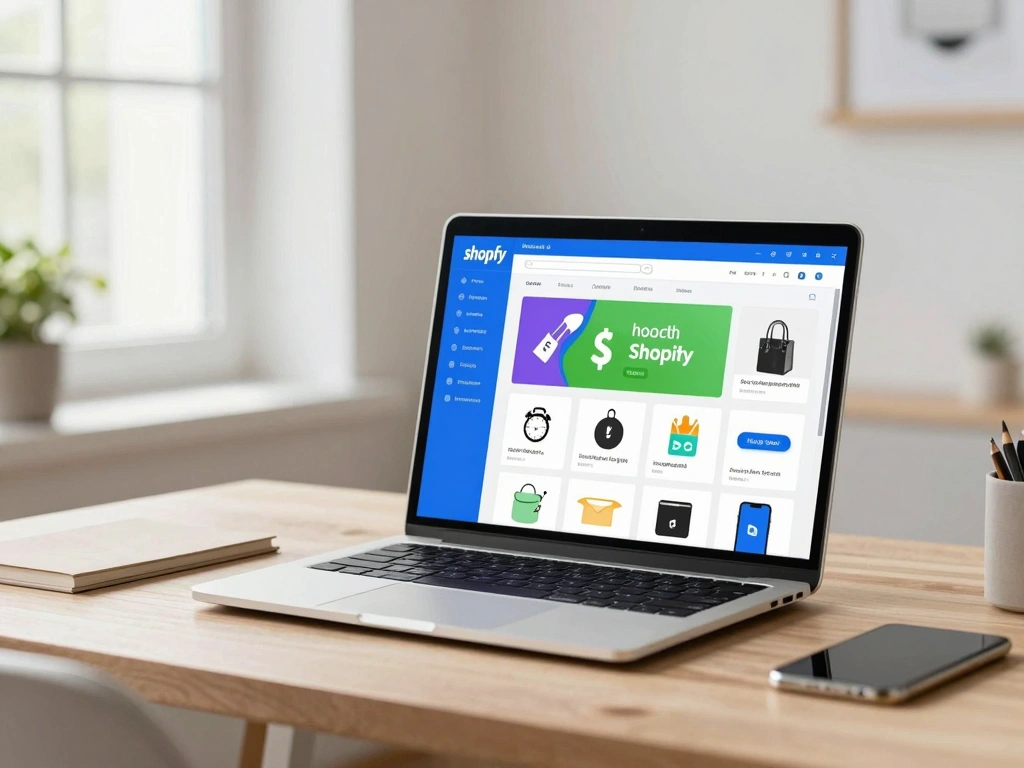
As globalization progressed, the import and export of produits became commonplace, allowing for a diverse range of goods from various cultures to enter local markets. The rise of the internet in the late 20th century further revolutionized the way produits are marketed and sold, paving the way for e-commerce and global supply chains.
Current Trends Influencing the Produits Landscape
In 2026, several trends are significantly influencing the produits market:
- Personalization: Consumers increasingly expect personalized products tailored to their specific needs and preferences. Businesses that leverage data analytics to offer bespoke solutions are more likely to gain a competitive edge.
- Digitalization: The integration of technology in the manufacturing process has led to smarter products and improved supply chain efficiencies. Smart devices and IoT (Internet of Things) technologies are reshaping consumer expectations.
- Sustainability: There is a growing focus on eco-friendly products. Consumers are increasingly making purchasing decisions based on environmental considerations, pushing brands to adopt sustainable practices.
Key Categories of Produits: A Comprehensive Overview
Artisanal Produits: Craftsmanship and Local Impact
Artisanal produits represent a return to traditional craftsmanship, often emphasizing quality over quantity. These products are typically handcrafted, using methods that have been passed down through generations. The local impact of artisanal produits is significant, as they often support local economies and preserve cultural heritage. Consumers are increasingly drawn to these products for their authenticity and the stories behind them.
Innovative Produits: Emerging Technologies and Trends
Innovative produits are at the forefront of technological advancement. They incorporate the latest technologies to solve everyday problems or enhance user experience. Examples include smart home devices, wearables, and health-monitoring gadgets. Companies that prioritize innovation in their product lines often lead their industries, attracting tech-savvy consumers eager for the latest advancements.
Sustainable Produits: Eco-Friendly Practices and Benefits
The sustainability trend is reshaping the way produits are designed, manufactured, and consumed. Eco-friendly produits use sustainable materials and production processes, minimizing their environmental footprint. Brands that prioritize sustainability not only appeal to environmentally-conscious consumers but also often reduce costs in the long run by optimizing resource use.
Challenges in the Production and Distribution of Produits
Supply Chain Issues: Navigating Global Challenges
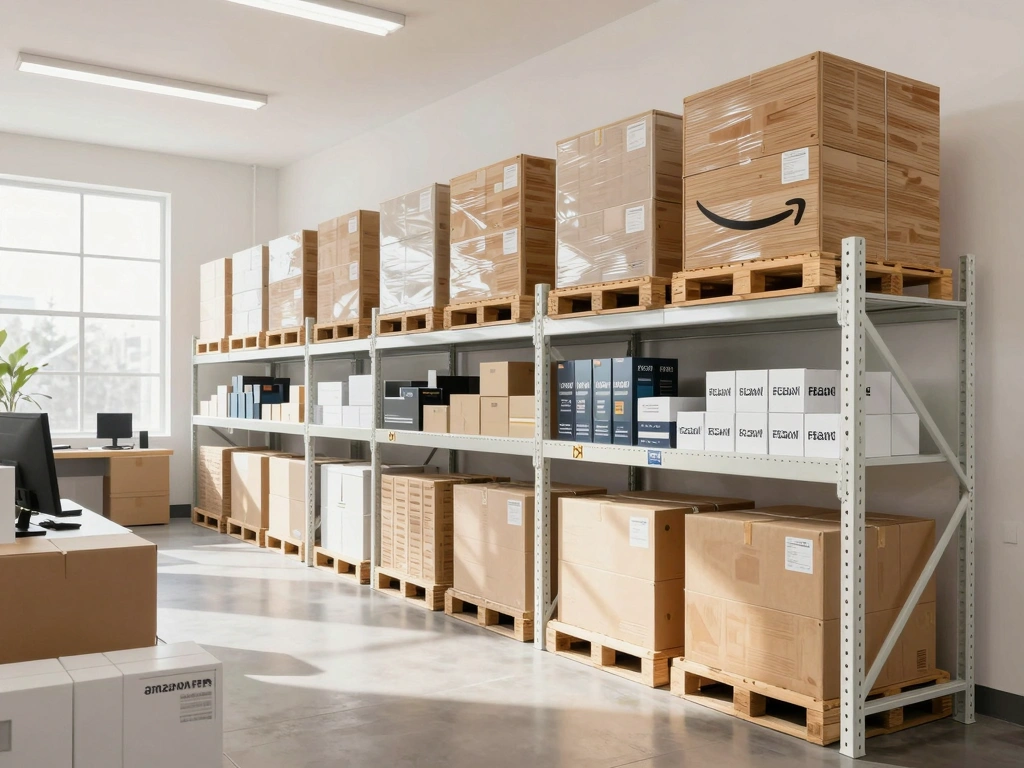
As businesses expand globally, supply chain management has become increasingly complex. Disruptions caused by geopolitical tensions, natural disasters, or pandemics can significantly affect the availability and price of produits. Companies must build resilience in their supply chains by diversifying suppliers and increasing inventory flexibility to adapt to unexpected challenges.
Consumer Expectations: Quality vs. Price
In a competitive market, striking a balance between quality and price is a constant challenge for businesses. Consumers expect high-quality produits, but they are also price-sensitive. Brands that can deliver superior quality at a competitive price point tend to gain greater market share. This involves efficient production methods and effective cost management without sacrificing product integrity.
Regulatory Hurdles: Compliance and Standards
Regulatory compliance is another significant challenge faced by producers. Different regions have varying standards for product safety, labeling, and packaging. Navigating these regulations can be daunting for businesses, particularly those operating in multiple countries. Staying informed about local laws and adapting processes accordingly is crucial for maintaining market access.
Strategies for Marketing Your Produits Effectively
Building a Brand: Establishing Identity and Value
Branding is essential in the highly competitive products market. Establishing a strong brand identity helps differentiate a company from its competitors. This involves creating a compelling brand story, visual identity, and consistent communication strategy. A well-defined brand adds value to products and can foster customer loyalty.
Utilizing Social Media: Engaging with Modern Consumers
In the digital age, social media platforms have revolutionized how businesses engage with consumers. Companies can leverage these platforms to showcase their produits, gather customer feedback, and foster community engagement. Authentic interactions on social media can enhance brand perception and drive sales.
Leveraging Local Markets: Community-Based Marketing
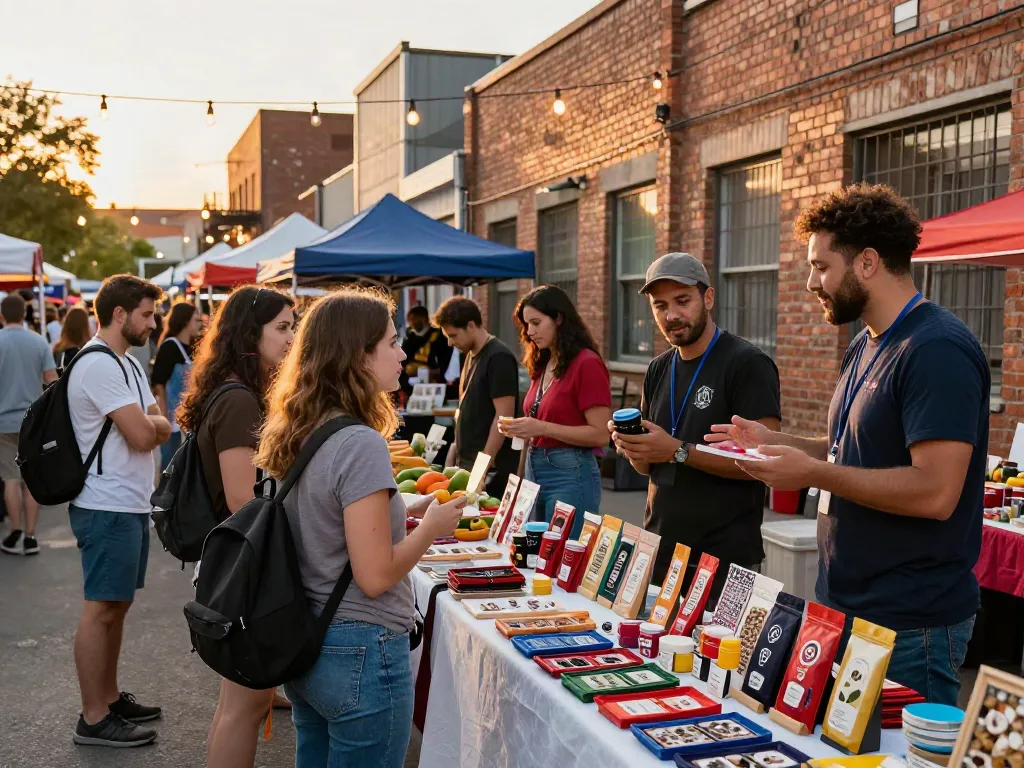
Understanding and engaging with local markets is crucial for success. Community-based marketing strategies that emphasize local culture and values can resonate with consumers more effectively. Collaborating with local influencers or participating in community events can enhance visibility and credibility.
The Future of Produits: Predictions for 2026 and Beyond
Technological Advancements: The Role of Innovation
Looking ahead, technological advancements such as artificial intelligence, machine learning, and blockchain are expected to play pivotal roles in shaping the products market. These technologies can enhance product development, supply chain management, and customer experience, paving the way for smarter, more efficient produits.
Consumer Behavior Shifts: Adapting to Changes
As consumers become more informed and connected, their purchasing behaviors will continue to evolve. Brands must keep pace with these changes by being adaptable and responsive. Understanding the motivations behind consumer choices, including ethical considerations and brand loyalty, will be crucial for future success.
Sustainability Trends: Environmental Impacts and Future Practices
Sustainability will remain a significant focus for consumers and businesses alike. Future produits will increasingly incorporate sustainable materials and practices, influencing both production methods and consumer choices. Companies that embrace sustainability will be better positioned to thrive in a market that values environmental responsibility.
What does "produit" mean in English?
The term "produit" translates to "product" in English, encompassing a vast range of items manufactured for sale.
What is the French word for "products"?
The French word for "products" is "produits," which refers to goods produced for consumption or sale.
What is the English translation of "chef de produits"?
"Chef de produits" translates to "product manager" in English, a role responsible for the development and marketing of products within a company.